4. Efficiency Standards Tighten — New DOE/EPA Rules on SEER, HSPF and More
In 2025, minimum efficiency requirements for HVAC equipment got more demanding. Compliance with upgraded standards for cooling (SEER/SEER2), heating (HSPF2), and overall fuel utilization (AFUE) became more widespread, pushing manufacturers to produce more efficient and greener systems. Northstar HVAC/R+2Mar-Hy Distributors+2
For building owners with older HVAC systems, this raised the cost-benefit bar for replacement vs. maintenance. For new installations, it meant choosing systems designed for long-term energy savings — and possibly qualifying for incentives or rebates tied to efficiency and environmental performance. Northstar HVAC/R+1
5. Smart & AI-Driven HVAC Control Gains Traction
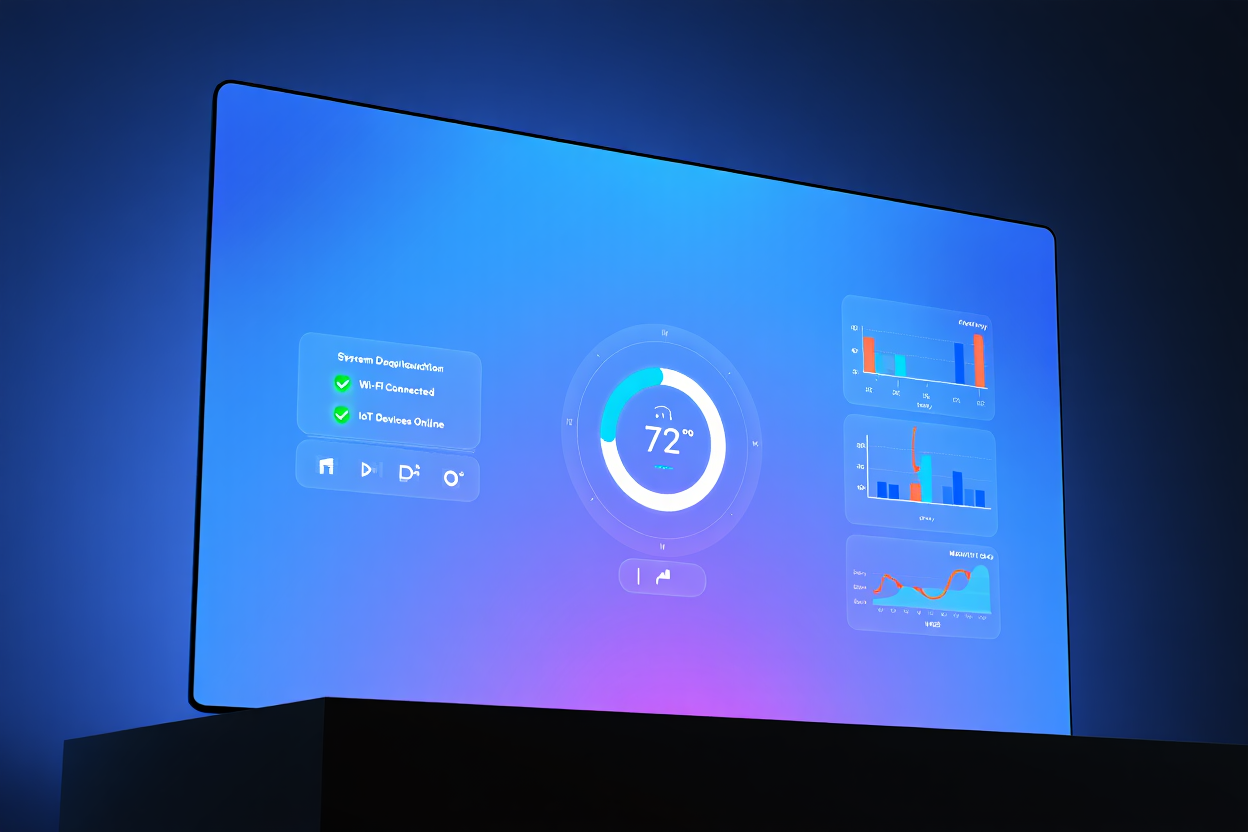
2025 saw increased interest in integrating AI, IoT, and data-driven controls into HVAC systems. One recent academic study, for example, proposed a “Human-in-the-Loop” (HITL) framework that adapts HVAC operation based on real-time user feedback and changing electricity market prices — improving comfort while reducing energy costs. arXiv+1
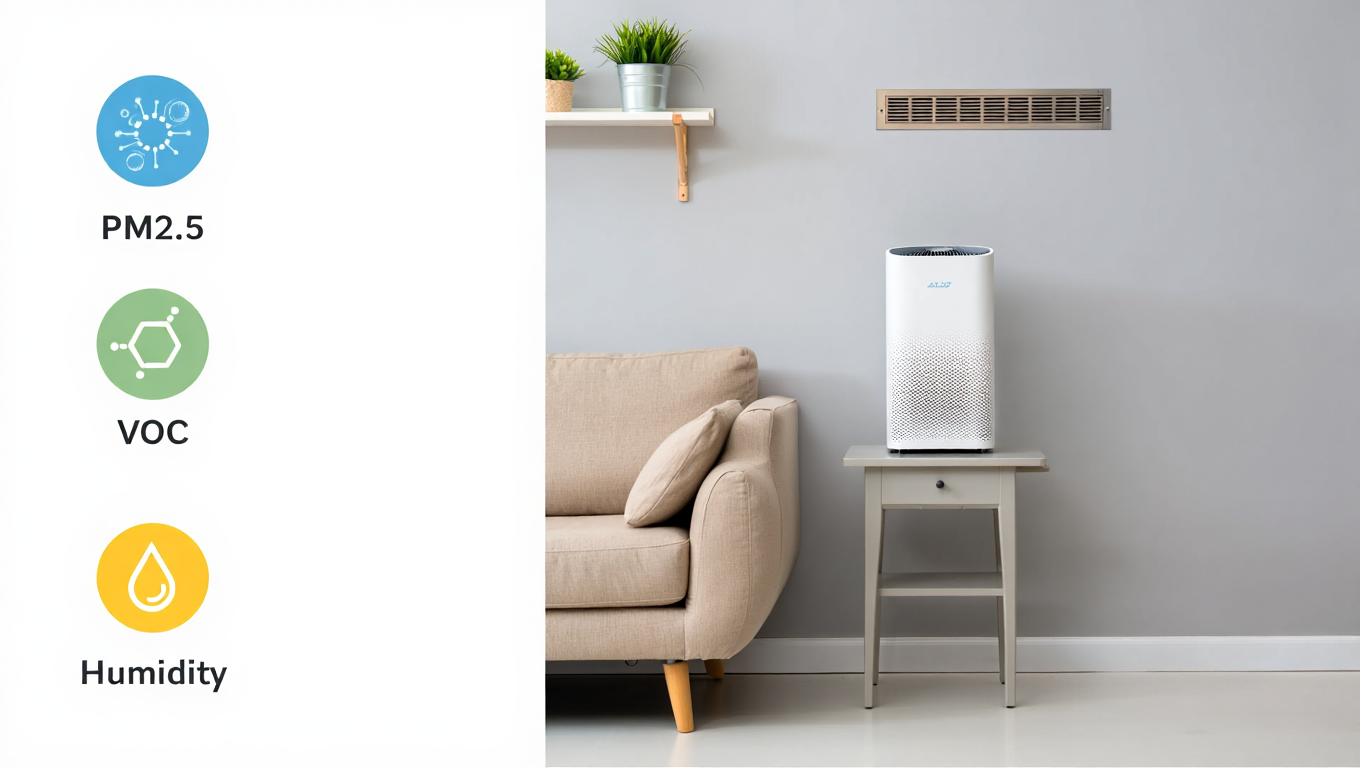
Meanwhile, other studies focused on advanced ventilation and air-quality control: a data-driven operator learning model showed how machine-learning + ventilation controls can optimize airflow and maintain indoor air quality while minimizing energy use. arXiv
The result: HVAC is no longer “set it and forget it.” Smart, responsive controls are becoming a core part of system design — especially for larger or multi-zone buildings. HVAC Informed+1
6. Widespread Adoption of VRF & Hybrid VRF Systems in Commercial Settings
Variable Refrigerant Flow (VRF) systems — long favored in niche commercial projects — saw a surge in 2025 adoption. The shift is driven by their flexibility, efficiency, and suitability for buildings needing simultaneous heating and cooling, or varied climate zones (e.g., offices, hotels, schools). Merlin Monitor+2HVAC Informed+2
Hybrid VRF systems (some combining refrigerant with water-based distribution) also gained traction, particularly in retrofit projects replacing legacy chillers or boilers. These hybrid systems offer decarbonization potential while lowering operational expenses. HVAC Informed+1
As more building owners look to reduce emissions and energy costs, VRF — once a “premium” option — is becoming mainstream. ACHR News+1
7. Market Disruptions: Refrigerant Shortages, Pricing Challenges, Supply-Chain Strain
The transition to A2L refrigerants wasn’t smooth. Many contractors and distributors reported supply shortages, difficulty procuring sufficient refrigerant for new installs, and delays in project timelines. ACIQ+2HVAC Informed+2
The result: some homeowners and building managers postponed HVAC upgrades or chose to stick with older R-410A systems (while still possible), creating a temporary “two-speed” market. Others opted for alternative solutions — like heat pumps, VRF, or heat-pump water heaters — that avoid refrigerant supply constraints altogether. Harvest Thermal+2Merlin Monitor+2
8. Increased Demand for Training & Workforce — Technicians Need New Skills Fast
With the new refrigerants, heat-pump systems, VRF technology, and smart/AI-driven controls, the skill set required of HVAC professionals expanded rapidly in 2025. Contractors must now be certified in handling A2L refrigerants, familiar with modern heat-pump installation and maintenance procedures, and capable of commissioning smart control systems. HVAC Informed+2Mar-Hy Distributors+2
This has exacerbated an existing labor shortage in HVAC, but also opened opportunities for training, specialization, and higher-value services. For many smaller HVAC firms, the transition represents a strategic inflection point — adapt or risk being left behind. Mar-Hy Distributors+1
9. Air-to-Water Heat Pumps & Thermal Storage Gain Ground — Toward Electrified HVAC for Heating Season
This year brought broader adoption of air-to-water heat pump (AWHP) systems, especially in colder climates or where building plumbing is compatible. AWHPs offer a flexible, all-electric alternative to boilers, often with better efficiency and easier integration in retrofit and new-build projects. Harvest Thermal+1
In many cases, AWHPs were being specified alongside thermal storage solutions — for example, using heat-pump water heaters (HPWHs) controlled with predictive algorithms to store hot water or heat during low energy-cost periods. Early field studies showed promising energy savings using model-predictive control (MPC) for HPWHs. arXiv+1
For building owners and developers focused on decarbonization and resilience, AWHP + thermal storage began to look like a “future-proof” heating and hot-water solution in 2025.
10. Smart HVAC Controls & Zoning Surge — Targeted Comfort, Lower Energy Use
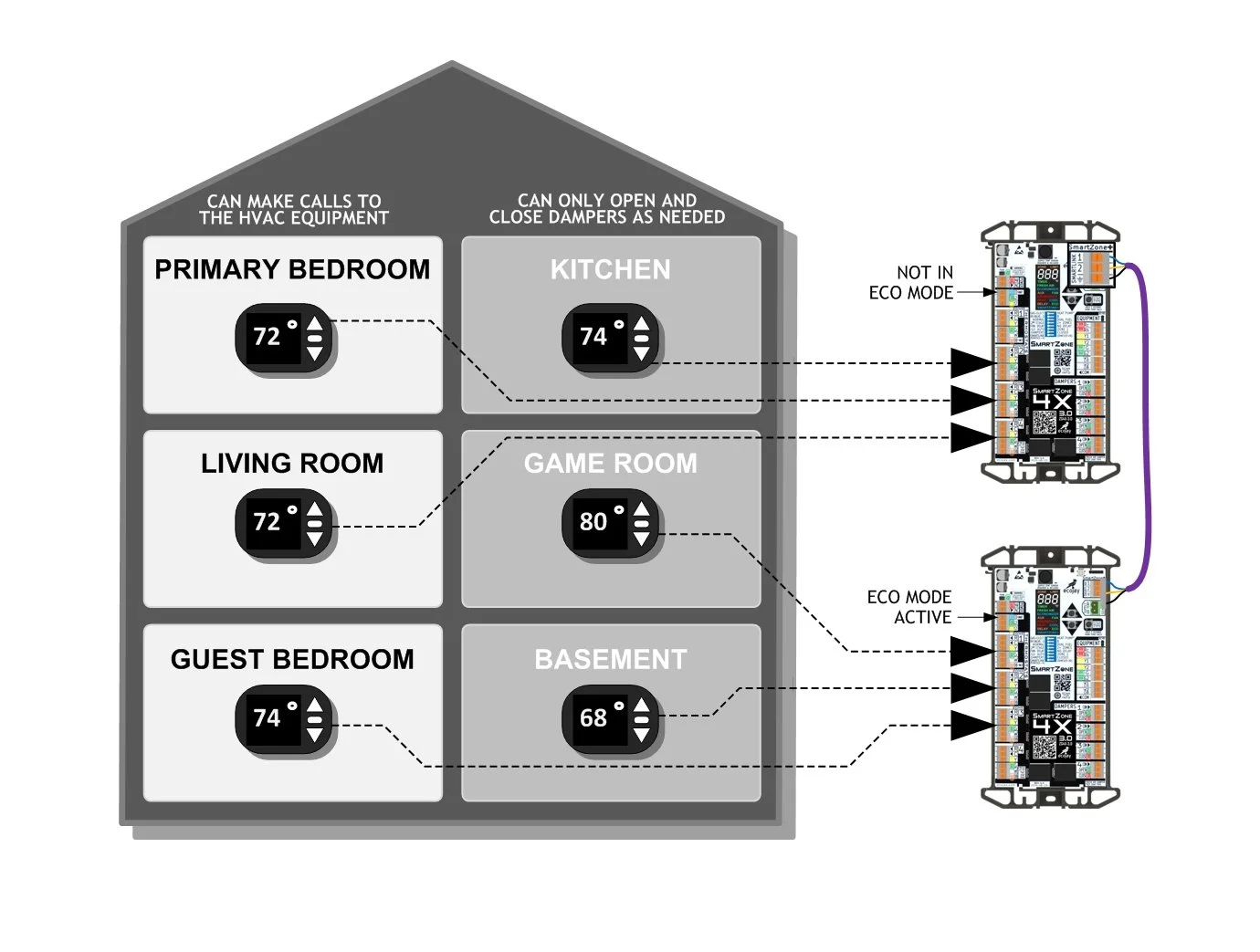
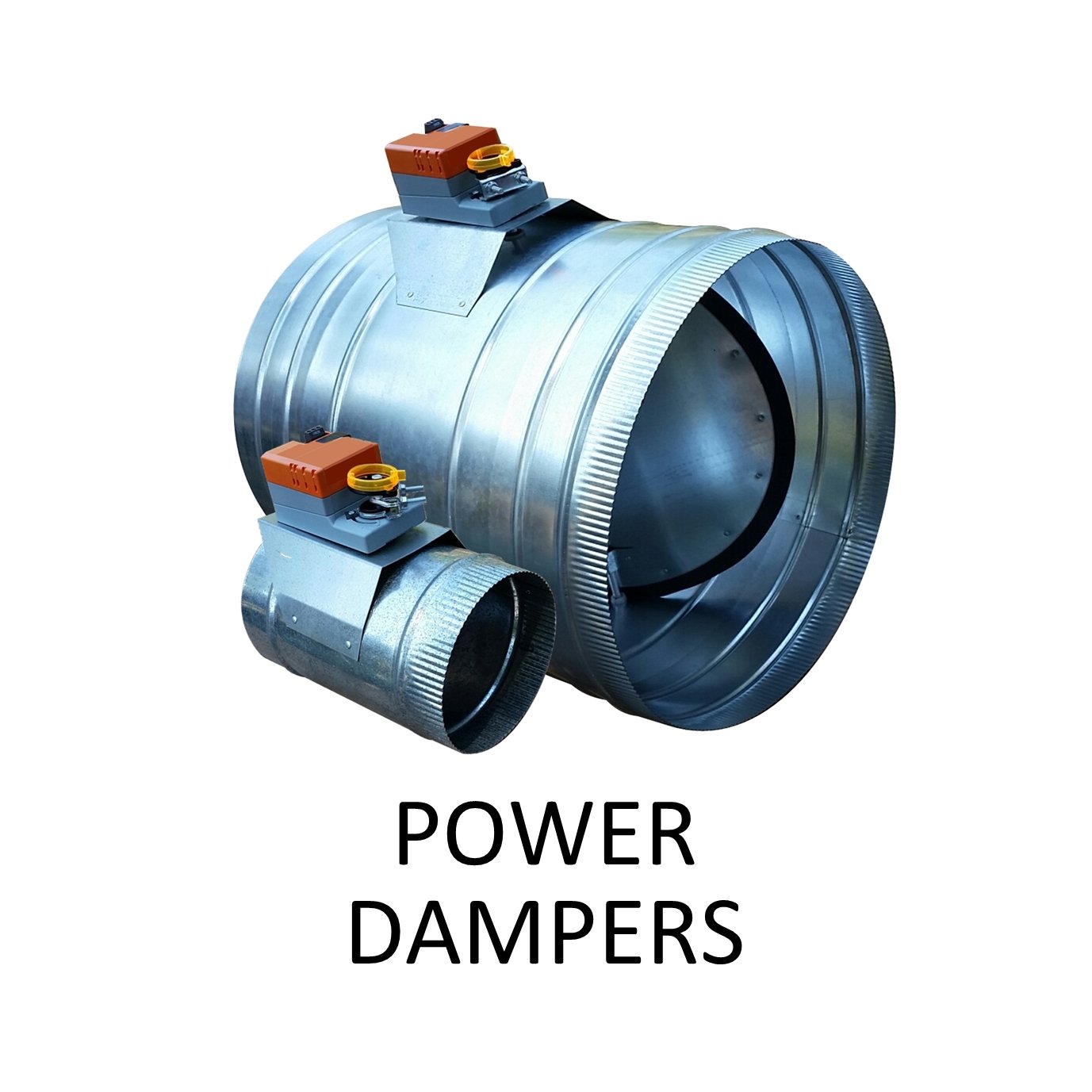
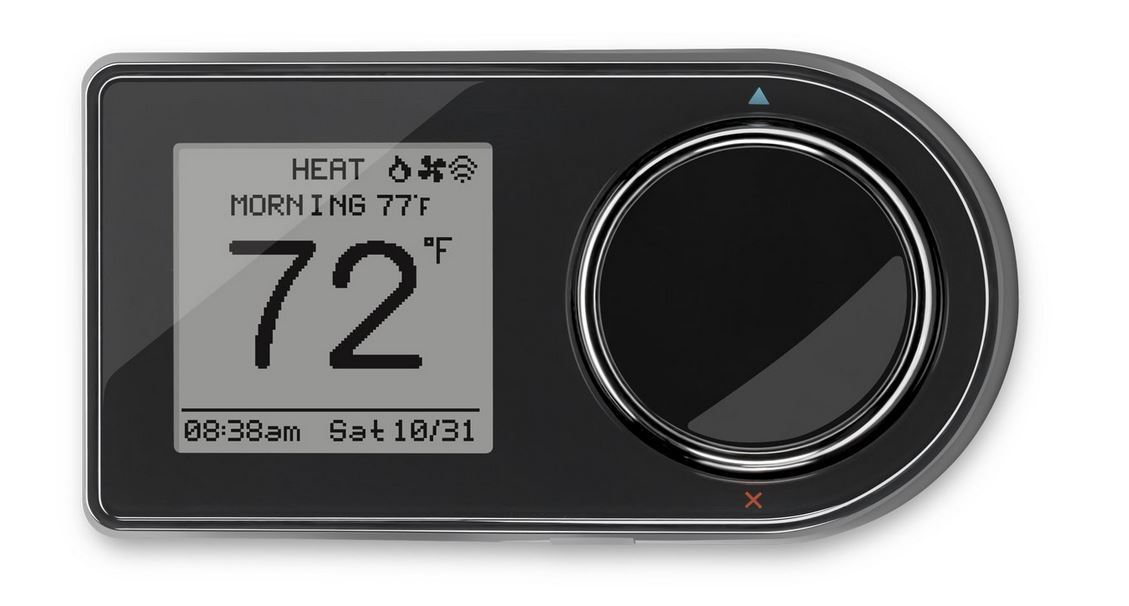
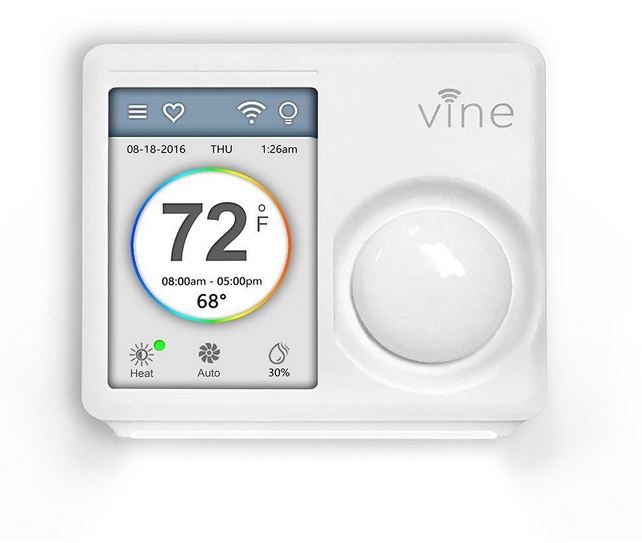
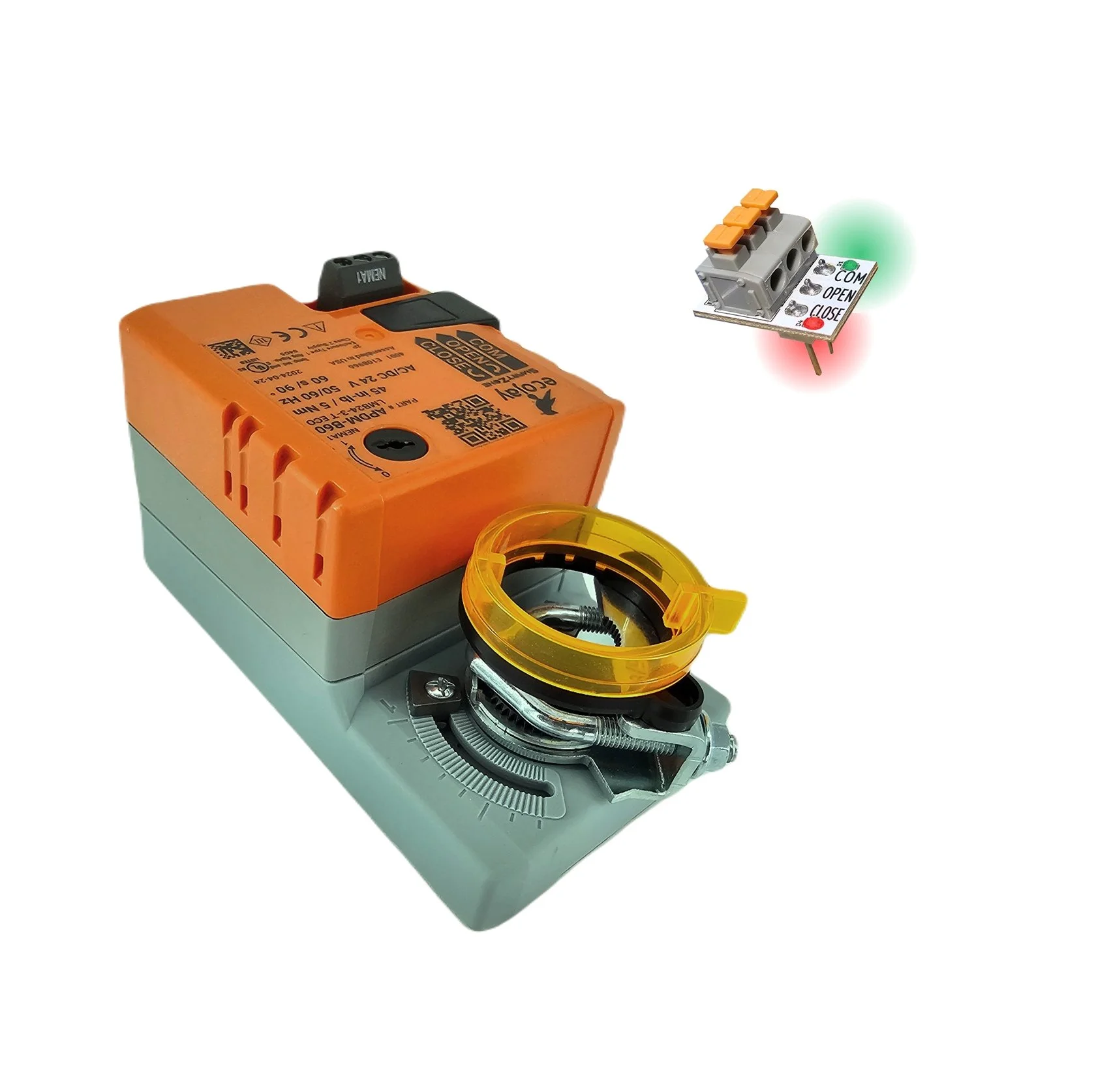
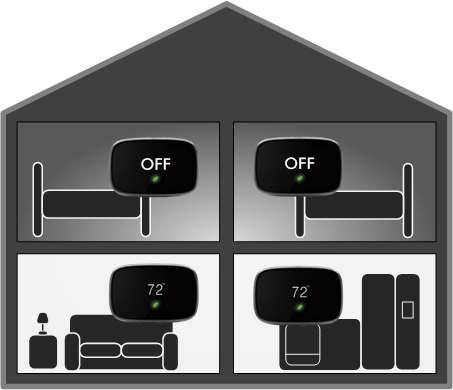
Multi-zone HVAC control got a real boost in 2025. With rising energy costs, upgraded refrigerant mandates, and more homes/buildings requiring flexible comfort control, zoning systems gained traction — especially those that are easy to install, compatible with existing equipment, and can integrate with smart thermostats. ZoningSupply.com - Zone Control+2Ecology Jay+2
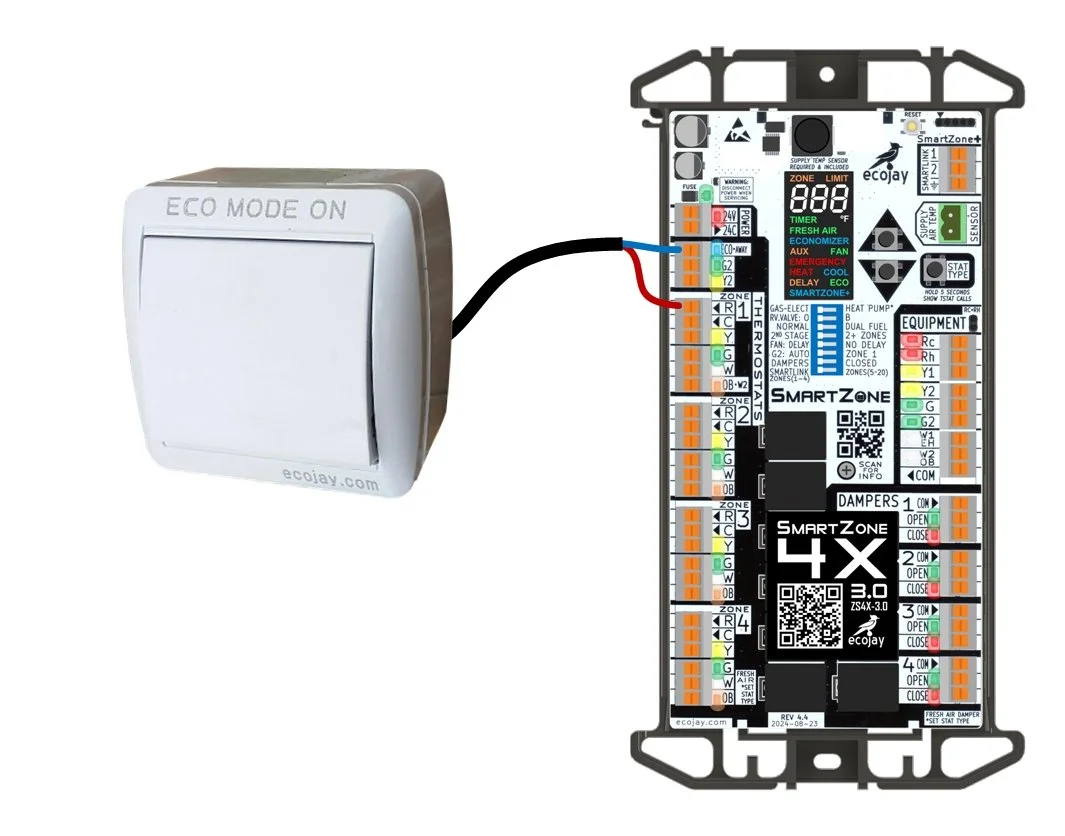
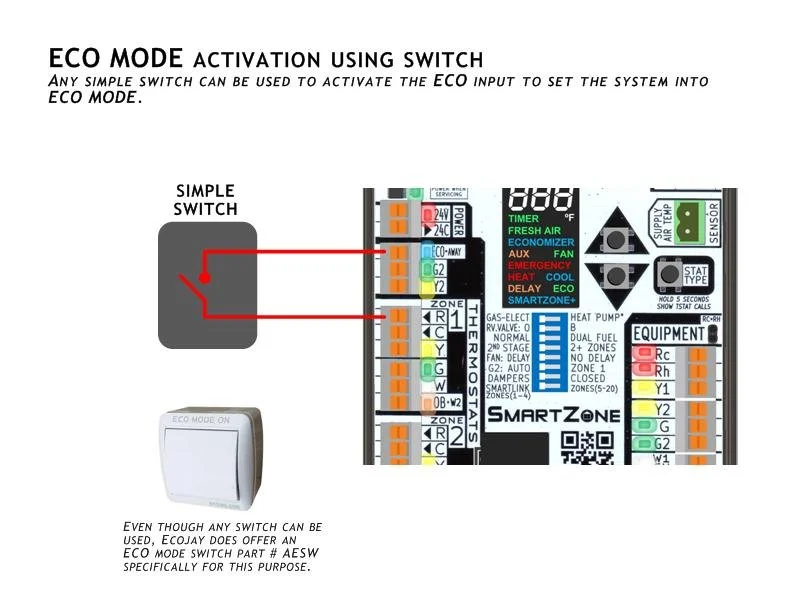
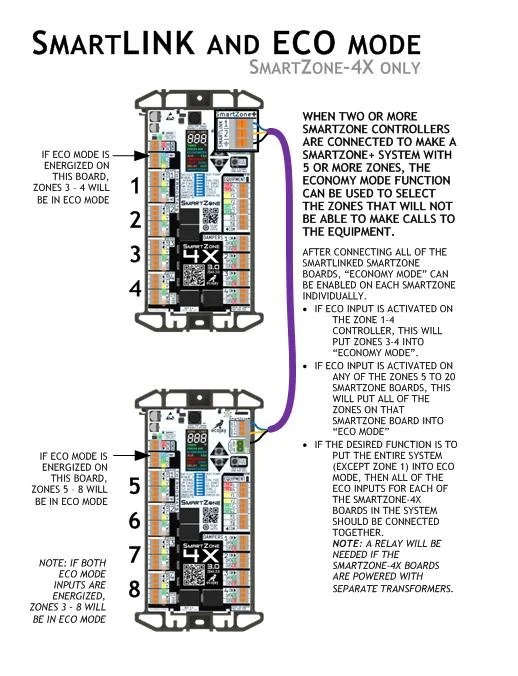
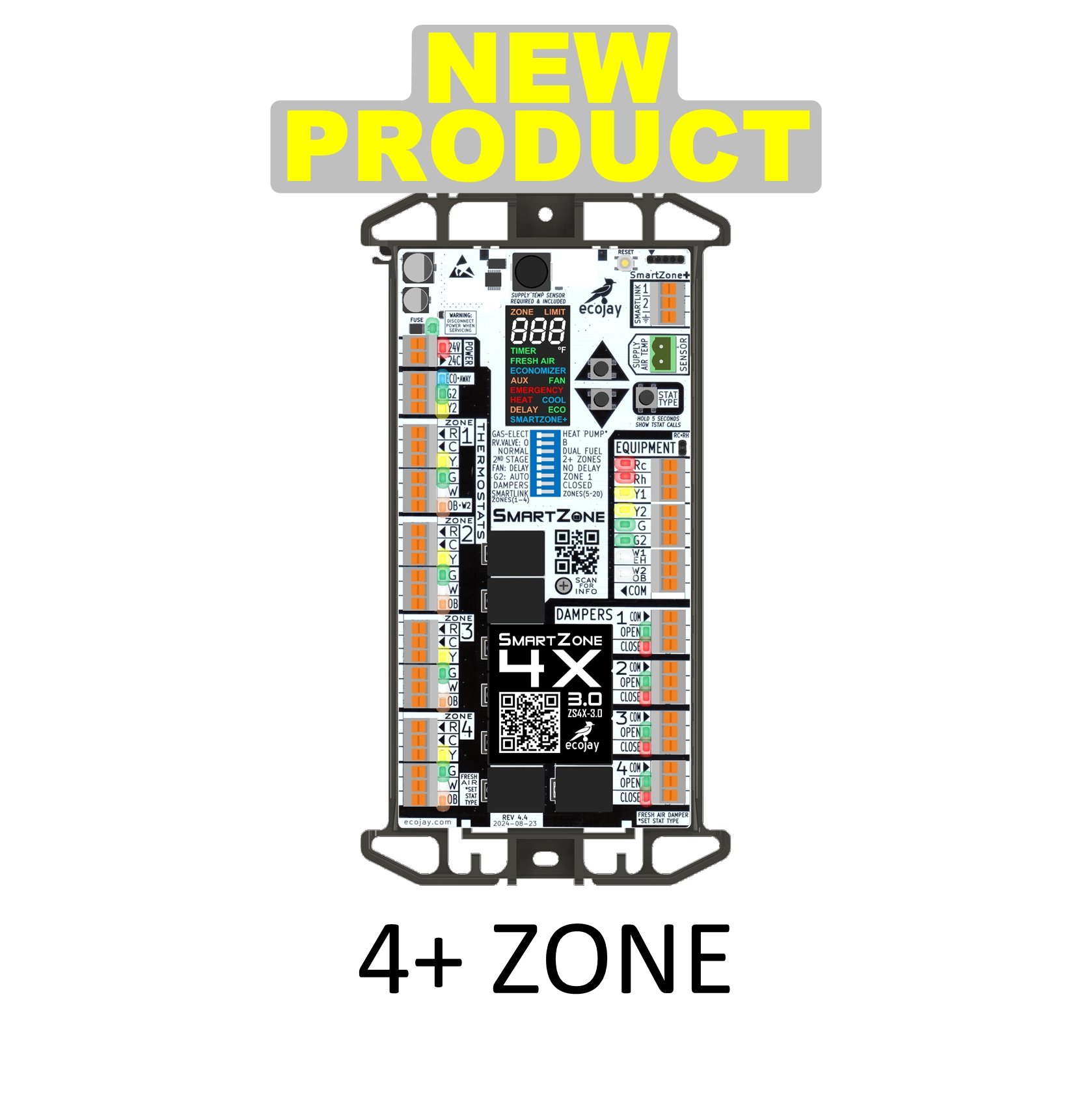
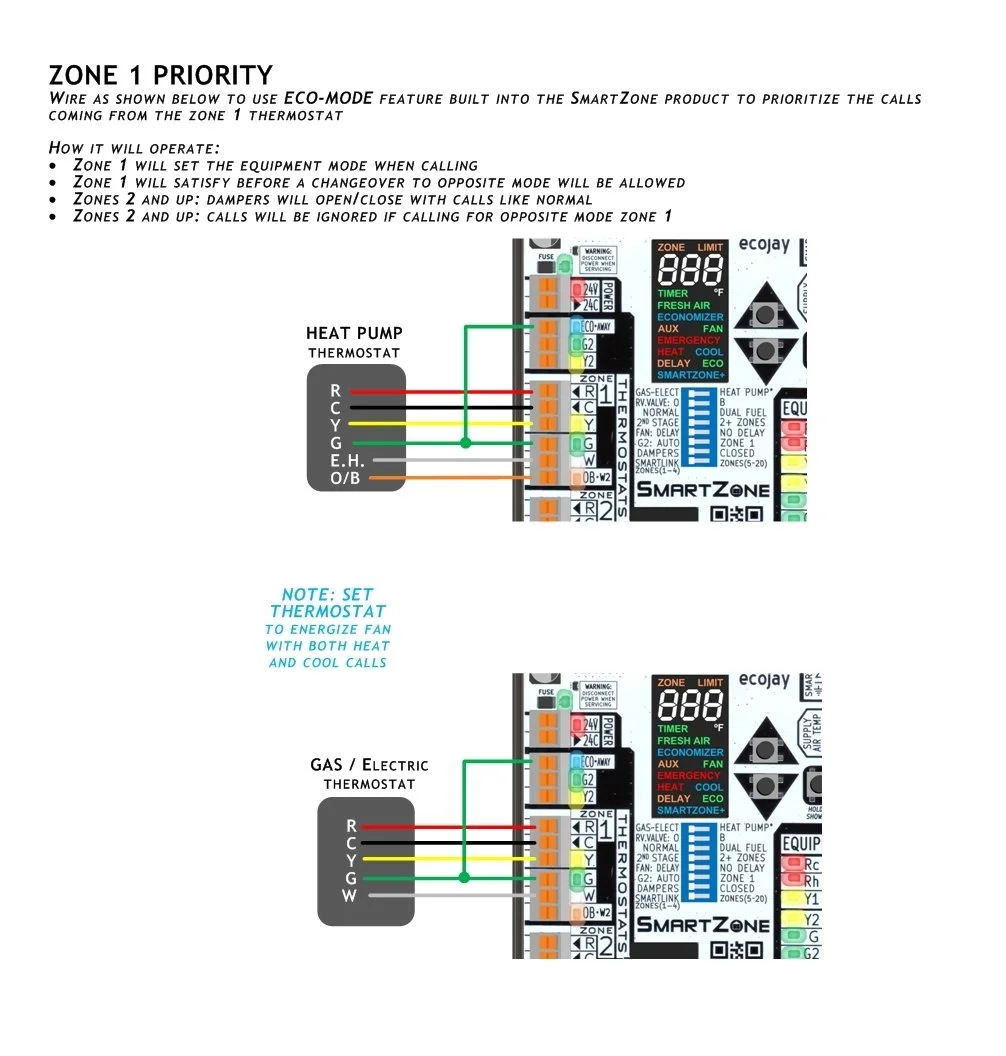
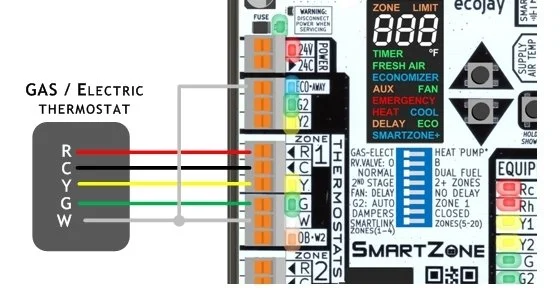
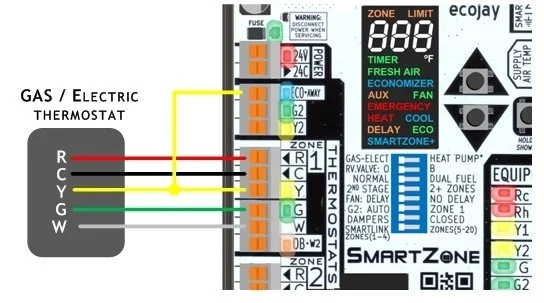
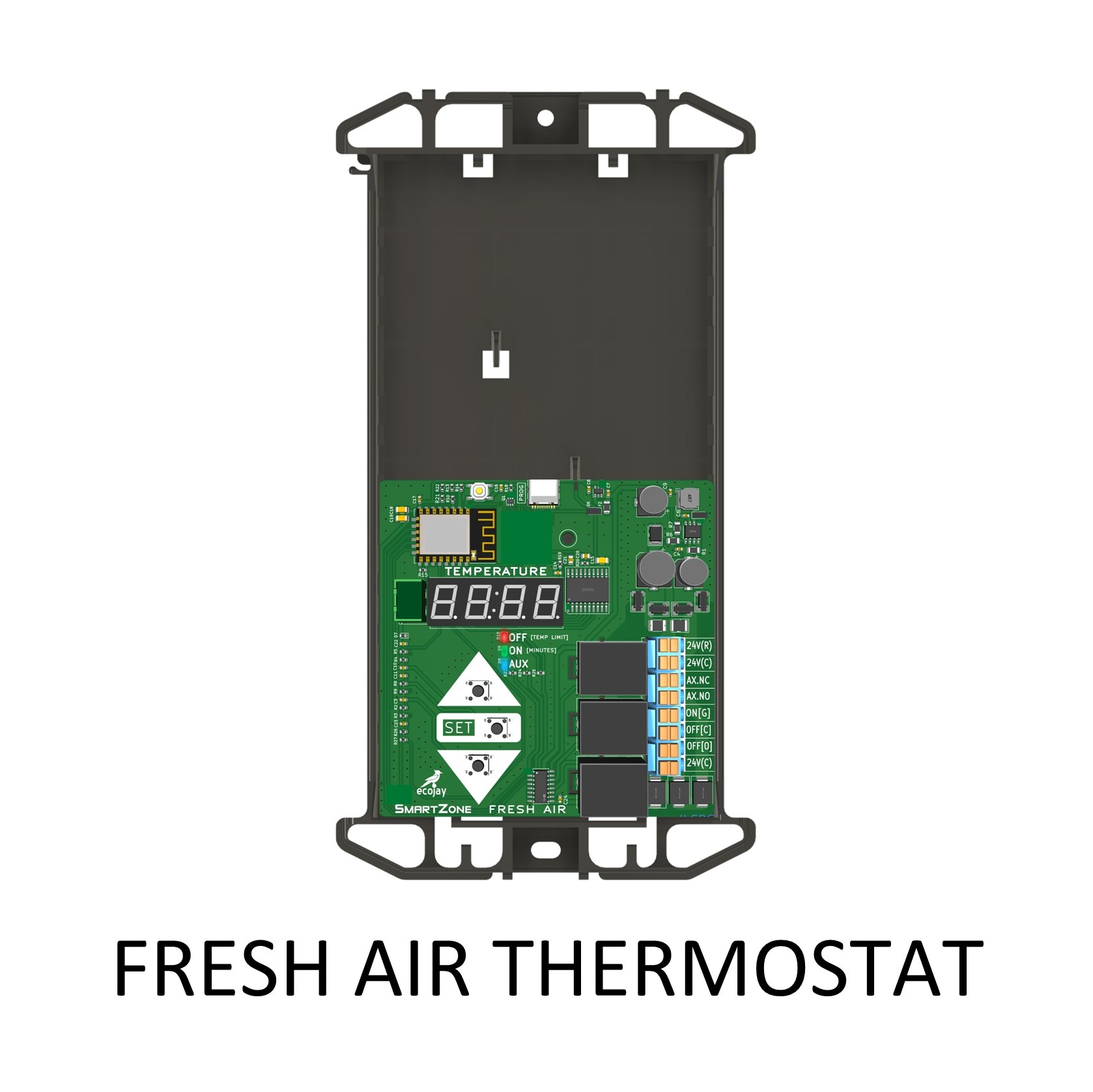
On that front, Ecojay’s release of SmartZone-4X 3.0 and SmartZone-3X 3.0 marked a notable milestone. The new 2025 controllers offer universal compatibility (gas, electric, heat pump, dual fuel, etc.), support for up to 20 zones (expandable), built-in fresh-air and economizer controls, de-humidification/de-humid modes, and configurable multi-stage control — all in a controller that installs far more simply than many legacy zone boards. Ecojay Products